Emergency Furnace Repair in the Niagara Region
Priority same-day response for no-heat calls across the Niagara Region, seven days a week.
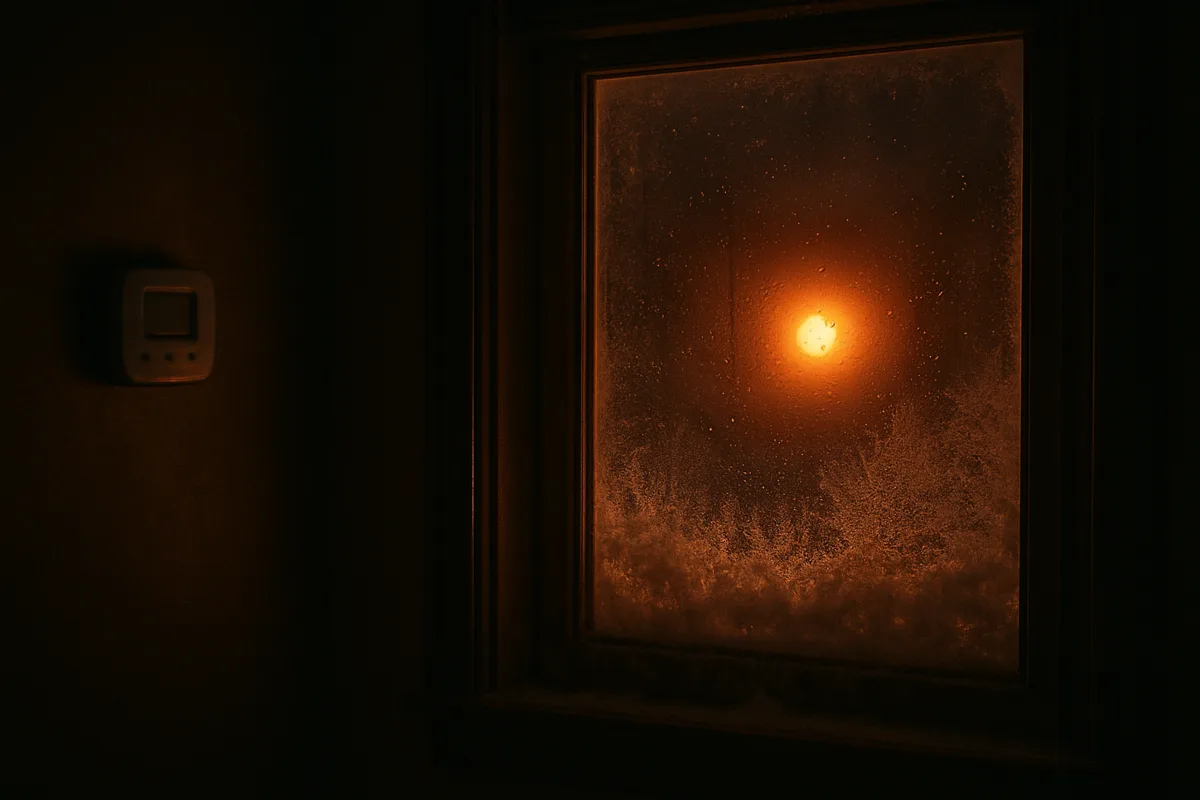
No Heat in Niagara? Start Here
The furnace quit sometime overnight. You know because the bedroom was cold at 5 a.m., the thermostat reads 15 and dropping, and the kids are wearing coats to breakfast. Outside, the wind is coming off Lake Erie and the forecast says minus 19 by tonight. That is a Niagara winter emergency, and it is the call we build our whole schedule around.
Furnace Repair Niagara runs no-heat calls at the front of the line, seven days a week, across St. Catharines, Niagara Falls, Welland, Fort Erie and Thorold. Call (289) 271-2879 and tell us the house has no heat. We will ask a few quick questions, tell you what to do until we get there, and get a licensed technician moving.
What Counts as a Furnace Emergency
Not every furnace hiccup needs a same-day truck. These do.
The furnace is completely dead in freezing weather
No fan, no click, no flame. If the power switch and breaker are on and it still does nothing, the fault needs a technician. In a cold snap, an unheated house starts freezing plumbing within hours.
It runs but the house keeps losing heat
Air moving through the registers without warmth means the burners are not firing or are shutting down early. On a mild day that is an inconvenience. When it is minus 15 with wind, the indoor temperature will fall steadily and you should call now rather than tonight.
You smell gas
Stop. Do not flip switches, do not use the phone inside. Get everyone out, then call Enbridge Gas’s emergency line and 911 from outside. We come once the utility has confirmed the site is safe. This is not a furnace-company-first situation.
Your carbon monoxide alarm is sounding
Same rule. Everyone outside into fresh air, 911 from outside, and the furnace stays off until it has been inspected. A cracked heat exchanger or a blocked flue can push CO into living space without any smell at all, which is why Ontario requires CO alarms near every sleeping area in a home with a fuel-burning appliance.
Someone in the home is vulnerable
An infant, an elderly parent, anyone with a respiratory or heart condition. A house at 13 degrees is a health risk for them long before the pipes freeze. Tell us when you call; it affects how we prioritize.
Things to Try Before We Arrive
Most of these take two minutes and a surprising number of no-heat calls end right here.
- Thermostat. Set to HEAT, fan on AUTO, setpoint several degrees above the room. Replace the batteries if it has them.
- Power. The furnace switch (looks like a light switch, on or beside the unit) should be on. Check the breaker panel for a tripped breaker.
- Filter. Pull it. If it is packed with dust, put in a new one. A starved furnace overheats and locks out its burners.
- Outside vents. On a high-efficiency furnace, walk outside and find the white PVC pipes. Clear any snow, ice or frost from the openings. Snowplow drifts and lake-effect squalls bury these all the time.
- Condensate drain. Look for water pooled at the base of the furnace or a drain hose that runs through a cold area. A frozen drain trips a float switch. Do not try to thaw it with a torch.
- Reset. Turn the furnace power switch off for 30 seconds and back on. Watch for the ignition sequence. If it tries three times and locks out, stop and leave it off.
If none of that restores heat, close the doors to rooms you are not using, open cabinet doors under sinks on exterior walls, let a cold tap drip, and run electric space heaters in the rooms people are in. Never heat the house with the oven, a barbecue or anything that burns fuel and was not designed for indoor use.
How an Emergency Call Runs
- Triage on the phone. Age of the furnace if known, what it is doing, whether anyone is at risk, and where you are. Fort Erie during a squall is a different drive than Thorold on a clear day, and we tell you honestly what to expect.
- Dispatch. The nearest available licensed technician heads your way with the common failure parts already on the truck: igniters, flame sensors, capacitors, pressure switches, limit switches, thermostats.
- Diagnosis and upfront quote. The technician finds the actual fault, explains it, and gives you a price before touching anything. You approve it.
- Repair. Most no-heat faults are fixed on the spot. If a part must be ordered, we tell you the timeline and discuss safe temporary heat.
- Full cycle test and safety check. Ignition, steady heating, shutdown, venting and combustion. We do not leave a furnace we have not watched run.
Why Call Us for an Emergency
- Seven days a week. 7 a.m. to 9 p.m. including weekends and holidays, because furnaces do not read calendars.
- Licensed gas technicians. Ontario requires a TSSA-licensed gas technician for any work on the gas side of a furnace. Ours carry their licences and will show them.
- Upfront pricing, even at 8 p.m. on a Sunday. You hear the price before the work starts. No after-the-fact surcharges.
- Trucks stocked for winter. The parts that fail in cold weather are the parts we carry.
- Honest repair-or-replace advice. If the furnace is 22 years old with a cracked heat exchanger, we will say so and help you get through the night safely rather than bolting on a repair that fails next week.
What Affects the Cost of an Emergency Repair
The price is driven by the fault, not the hour. What moves it:
- The failed part. A flame sensor or igniter is a modest repair. A control board, inducer motor or gas valve costs more.
- Furnace age. Parts for older units can be scarce or expensive.
- Access. A furnace in a low crawlspace or behind a finished wall takes longer.
- Collateral damage. A frozen condensate trap that backed water into the control board is two problems.
- Whether repair makes sense at all. On a very old furnace we may recommend replacement instead, and we will tell you before you spend money on a stopgap.
If your situation is not urgent, you can request a free estimate and we will schedule a regular visit through our furnace repair service instead.
What a Niagara No-Heat Emergency Has to Account For
Winter here is mostly mild and occasionally vicious, and the vicious days are when everything fails at once.
The squall pattern
Arctic air crossing Lake Erie produces snow squalls that can drop tens of centimetres on Fort Erie, Welland and the south end of Niagara Falls while St. Catharines gets a dusting. The squall buries furnace vent pipes, drops the temperature hard, and jams the region’s roads in the same afternoon. Our no-heat volume spikes on exactly those days, which is why we ask you to check the outside vents first.
Freeze-thaw and frozen condensate
Niagara winters bounce above and below zero for weeks at a time. High-efficiency furnaces produce condensate constantly, and a drain line that ran fine through a thaw freezes solid when the temperature drops overnight. Lines run through unheated garages, along foundation walls, or out through the rim joist are the ones that fail. Once the trap freezes, the float switch shuts the furnace down. Thawing it is a technician job; refitting it so it does not happen again is the real fix.
Older systems in older houses
A mid-efficiency furnace venting into a masonry chimney in a century home on Ormond Street in Thorold or Facer Street in St. Catharines has its own emergency failure modes: a chimney blocked by a collapsed liner, a draft hood spilling exhaust, a thermocouple on an old standing pilot giving up. These are safety problems first and comfort problems second, and they need a technician who knows pre-PVC venting.
Carbon monoxide
Every emergency visit ends with a combustion and venting check. Ontario’s Hawkins-Gignac Act made CO alarms mandatory near sleeping areas in homes with fuel-burning appliances. If yours are missing or expired (most have a 7 to 10 year life printed on the back), replace them this week.
Boilers in the older cores
Pre-war homes across St. Catharines, Niagara Falls and Welland often heat with hot water. A boiler emergency looks different: cold radiators, a pressure gauge sitting near zero, a relief valve dripping. We take those calls too. See boiler repair for what to check.
Drafty houses lose heat fast
Balloon-framed pre-war homes and uninsulated postwar bungalows can drop from 20 degrees to the low teens in a few hours at minus 20. Timing matters more in those homes than in a tight 2010 build in Rolling Meadows. Call early.
Prevent the Next One
The best emergency call is the one you never make. An annual furnace maintenance visit in September or October catches the worn igniter, the cracked flame sensor and the poorly routed condensate line before the first squall finds them for you. Book it in the shoulder season when the schedule is open.
Call Now, Get Heat Today
If you are reading this in a cold house, stop reading. Call (289) 271-2879. We are open 7 a.m. to 9 p.m. every day for no-heat calls in St. Catharines, Niagara Falls, Welland, Fort Erie and Thorold. Tell us what the furnace is doing and who is in the house, and we will tell you exactly when a licensed technician will be at the door. If it is not urgent, request a free estimate and we will book a regular visit.
How It Works
Call and Triage
Call or send the form and tell us what your furnace is doing. We ask a few quick questions to gauge urgency, and no-heat calls in winter go to the front of the line for same-day service.
Diagnose With an Upfront Quote
A technician inspects your furnace, finds the actual fault, and explains it in plain language. You get an upfront quote for the repair before any work starts, so there are no surprises.
Repair
Once you approve the quote, the repair gets done, usually in the same visit. Common parts for popular furnace brands are stocked on the truck to keep return trips to a minimum.
Safety Check and Tune-Up Advice
After the repair, the furnace is tested through a full heating cycle and checked for safe operation. You also get honest advice on maintenance and whether a tune-up or replacement makes sense down the road.
Frequently Asked Questions
How fast can you respond to a no-heat emergency?
No-heat calls go to the front of the line, especially during winter. We aim for same-day service across St. Catharines, Niagara Falls, Welland, Fort Erie and Thorold, seven days a week from 7am to 9pm.
What should I do while I wait for the technician?
Check that the thermostat is set to HEAT and above room temperature, confirm the furnace switch and breaker are on, and replace the filter if it is clogged. If the furnace still will not run, close doors to unused rooms to hold heat, and use safe electric space heaters if needed. Never use a stove, oven or barbecue to heat your home.
Is a furnace that smells like gas an emergency?
Yes. If you smell gas, do not operate switches or appliances. Get everyone out of the house, then call your gas utility's emergency line and 911 from outside. A furnace repair company should only come once the utility has made the site safe.
Do emergency repairs cost more than regular visits?
Pricing depends on the fault and the parts required, and we always give you an upfront quote after diagnosis, before the repair begins. There are no hidden surcharges added after the fact, and you approve the price first.
How long can a house go without heat before pipes freeze?
It depends on the outdoor temperature, how well the house is insulated, and where the plumbing runs. At minus 15 or colder, pipes in exterior walls or unheated crawlspaces can start freezing within several hours. Open cabinet doors under sinks, let taps drip slightly, and keep interior doors open to share whatever warmth remains.
My furnace is running but the house keeps getting colder. Is that an emergency?
If the outdoor temperature is well below freezing and the indoor temperature is dropping steadily, yes. A furnace that runs without producing heat is often a burner or ignition problem, and it will not fix itself. Call early rather than waiting until the house is at 12 degrees.
Can you help if my furnace stopped during a snowstorm?
Yes, and snowstorms are when we get the most calls. Before you phone, check whether the white PVC intake and exhaust pipes on the outside of your house are buried or capped with ice; clearing them sometimes restores the furnace on its own. If it does not, we will get to you as roads allow.
Do you handle emergency calls for boilers too?
We do. A boiler that has lost pressure, tripped its high-limit or stopped circulating leaves radiators cold just as fast as a furnace fault leaves ducts cold. Tell us which system you have when you call so the technician arrives with the right parts.